What Makes Next-Gen HRIS Truly Intelligent?
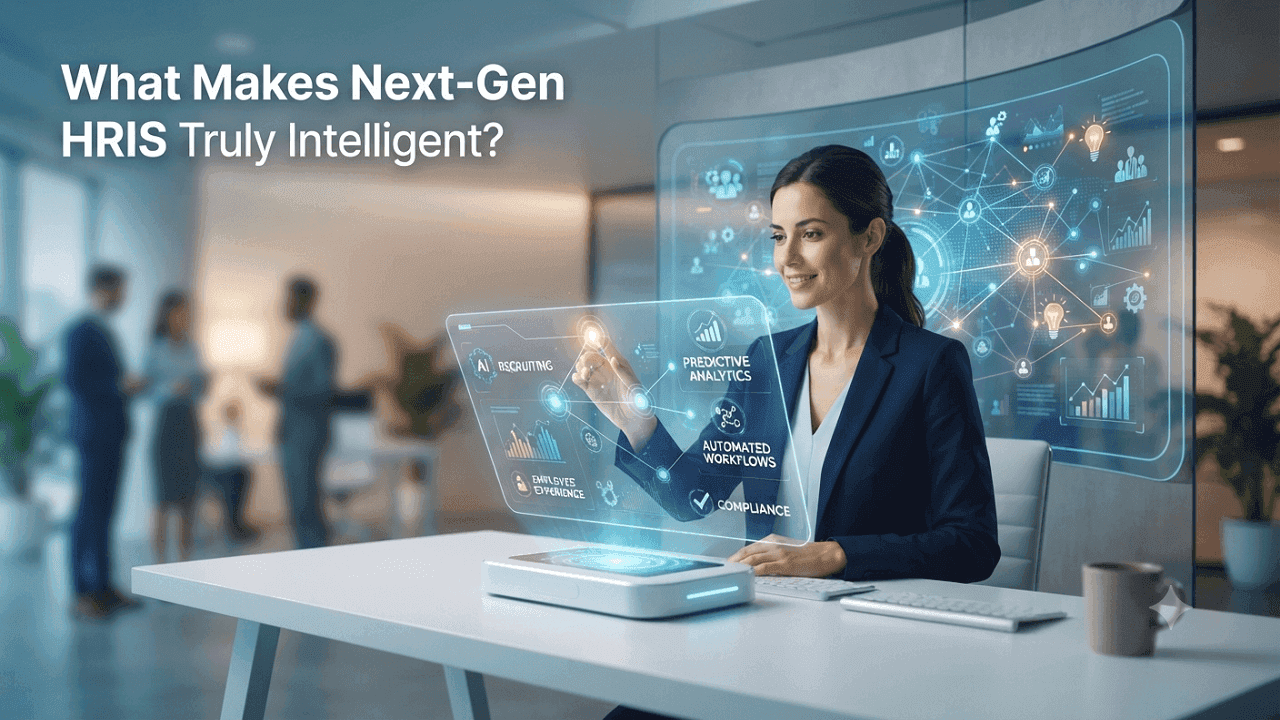
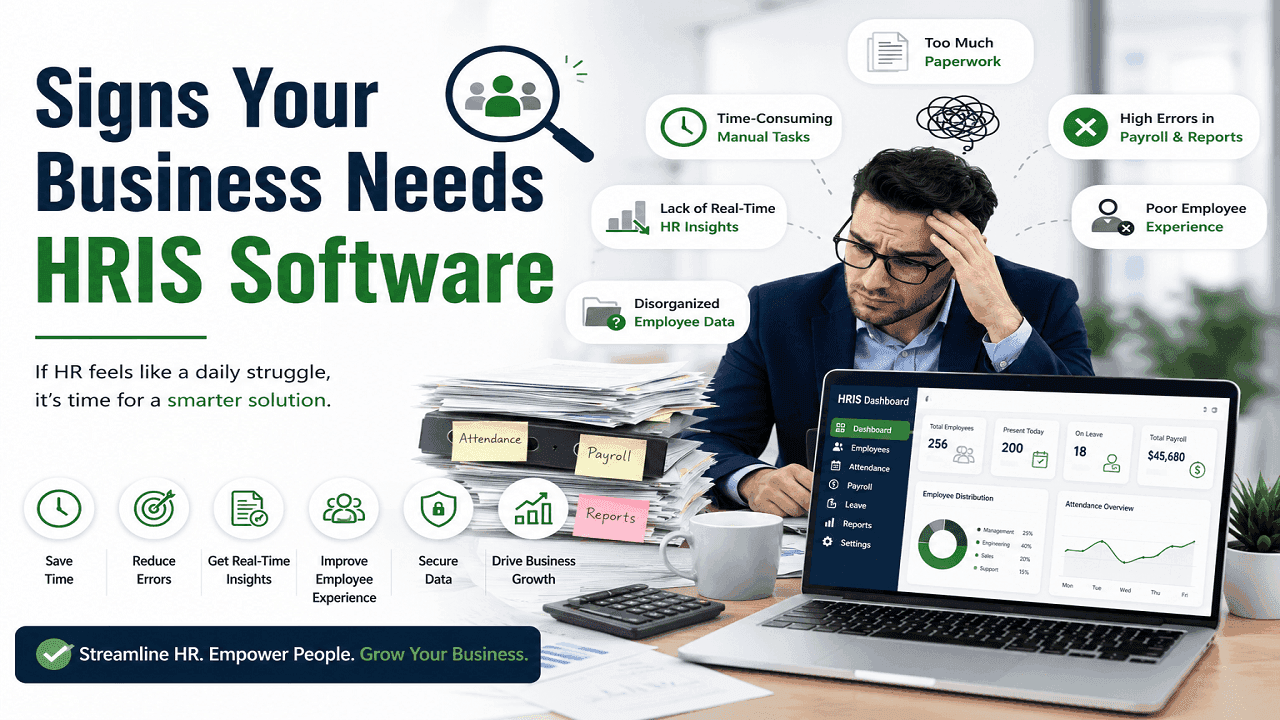
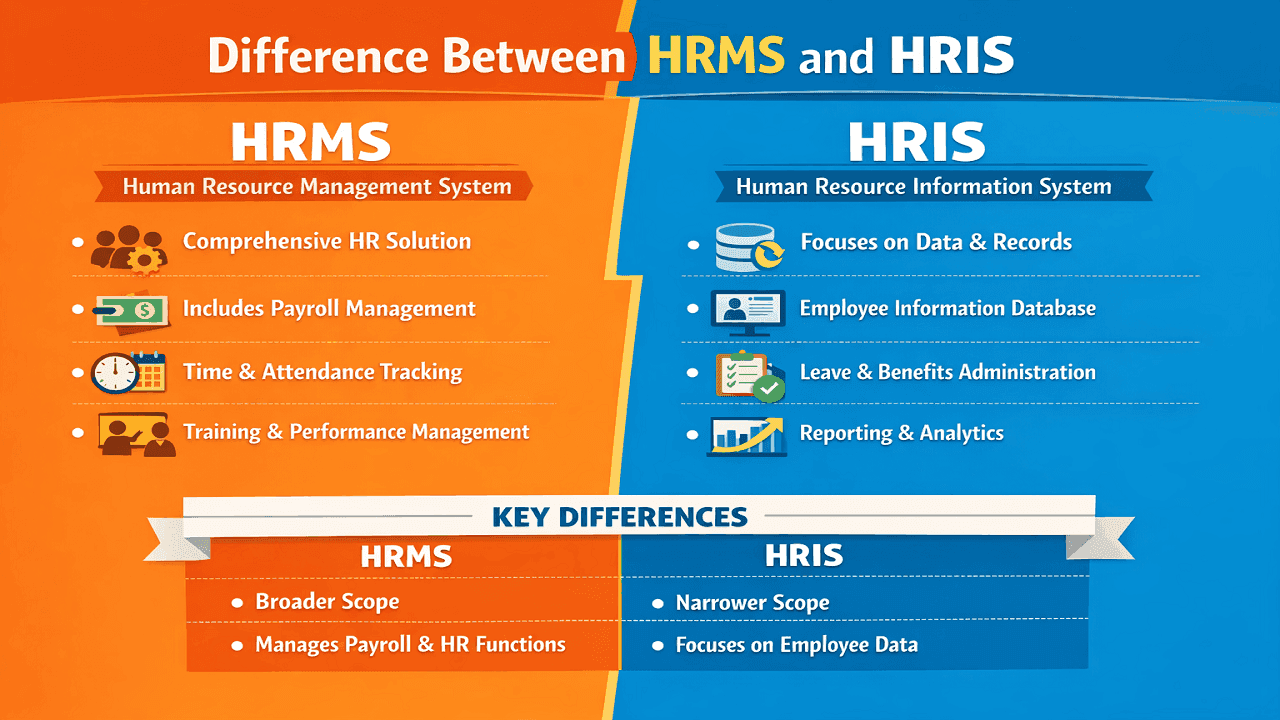
A next-gen HRIS is genuinely clever when it does more than just store personnel data. It should link attendance, leave, payroll, approvals, personnel data, reports, and compliance into one smart system. It will also help HR departments reduce manual effort, process data for real-time insights, secure sensitive data, and make faster decisions.
Intelligent HRIS Software is basically a central workforce management solution. Companies may learn what is happening inside their workforce instead of only recording information after the problem has already occurred
Hence, contemporary HR Software, HRIS Software, HRM Software, and Payroll Software are becoming a necessity for large and developing enterprises in Bangladesh.
Importance of smart HRIS for enterprises in Bangladesh
Bangladesh has a big industrial workforce, especially in the ready-made garment industry. Bangladesh has more than 4,000 clothing manufacturers for key global fashion brands; BGMEA factories also follow worldwide safety and compliance standards, including BSCI, WRAP, SMETA, Higg Index, ISO, GOTS, and Oekotex.
BGMEA also claims to have over 4,500 member factories, with about 40% knitwear and sweater producers and 60% woven garment manufacturers. This demonstrates the scale and complexity of managing the workforce in Bangladesh.
A factory can have thousands of employees, various shifts, overtime restrictions, leave policies, attendance corrections, compensation grades, and compliance reports. All of this is a manual process, which raises risk. A tiny attendance mistake can impact payroll. Late approval may delay salary processing. A missed report can result in audit pressure.
That’s why HRIS Software in Bangladesh should be smart and not merely digital.
How Jibika Plexus aligns with smart HRIS operations
Smart HRIS should be suitable for organizations in Bangladesh. It should handle manufacturing operations, payroll regulations, attendance devices, personnel data, approvals, and reporting in a single integrated environment.
This is the kind of practical HR and payroll process upon which Jibika Plexus is developed. The software caters to Bangladeshi firms that want to manage attendance, salary, leave, personnel records, payroll, reporting, approvals, and mobile access. Jibika Plexus, which it describes on its website as HR and Payroll Software, assists with attendance, compensation, leave, and automation.
Such a system is helpful for garments, apparel, accessories, spinning mills, textile, knitting, dyeing, food sector, plastic, footwear, ceramic, steel, hospitals, NGOs, corporate offices, and major organizations.
The idea is not only to have software. The idea is to establish a system that combines HR, payroll, attendance, and management decisions.
Key Features of a Truly Intelligent Next Generation HRIS
1. Attendance System Based on AI
One of the most critical components of workforce management is attendance. If attendance data is incorrect, payroll data will be incorrect too.
An AI-based attendance system helps HR teams manage employee attendance more effectively. It can eliminate manual dependence, improve attendance visibility, and enhance worker tracking. This becomes highly essential in large factories where thousands of people may join and go in different shifts.
Jibika Plexus helps manage attendance with biometric and face-detection devices, enabling enterprises to take attendance more precisely. This provides factory-based enterprises with a stronger platform for payroll and compliance.
2. Integrated Payroll Automation
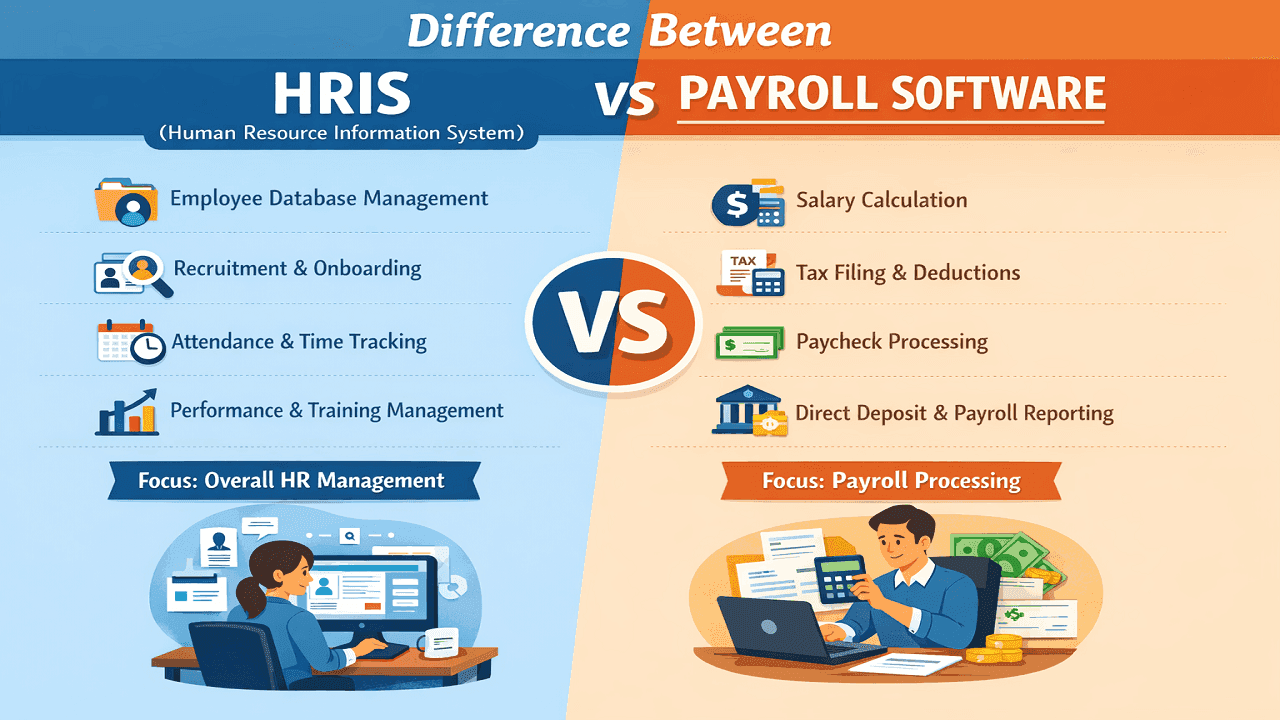
A next-gen HRIS is smart when payroll is integrated with attendance, leave, overtime, bonus, deduction, and approval data.
Payroll mistakes tend to emerge when systems are not integrated. Attendance in one file, leave in another sheet, overtime in another report, and salary computation somewhere else. It adds more manual work and makes things more confusing.
Intelligent Payroll Software ties these sectors together. Salary processing is faster and more accurate when properly linked to attendance, leave, and overtime data.
This is one of the most significant needs when firms are seeking Payroll Software in Bangladesh.
3. Intelligent administration of employee data
Employee data is not a file. This is the backbone of the whole HR business.
A sophisticated HRIS should be able to store and manage employee profiles, joining details, department, designation, salary grade, attendance history, leave records, documents, transfer history, promotion records, and payroll information.
It gives HR staff instant access to information and reduces their reliance on paper files or spreadsheets distributed across the organization. This can save huge businesses time and increase accuracy.
A good HRIS Software should make it easy for authorized users to access employee information and keep it safe from unauthorized users.
4. Better control with approval workflow
Intelligent HRM Software should not allow all changes to be implemented immediately without scrutiny. Control builds an approval workflow.
Leave requests, attendance corrections, overtime entries, salary modifications, loans, deductions, and final payroll should follow required approval requirements. This prevents unauthorized changes and provides accountability.
HR operations involve the various departments in an industrial environment. Overtime may be approved by production. HR may audit attendance. Accounts may process salary. Management may provide final approval. This process is kept clean with a sensible approval workflow.
5. Scalable & resilient database
The intelligent HRIS should be secure and scalable. A corporation can have a few hundred people at the outset and then grow to several thousand. The system must be scalable to accommodate this increase without becoming sluggish or unstable.
Jibika Plexus talks about mobile access to employee information, attendance records, payroll details, and approval workflows via its HR platform. This kind of connected access is important for developing firms. HR data needs to be available, managed, and safeguarded.
HRIS software stores sensitive employee information, wage data, bank details, attendance logs, payroll records, and more, so security is crucial.
6. Mobile access and employee self-service
Modern HR cannot be solely desktop access. Managers, HR teams, and employees often need information from multiple sources.
Mobile access allows employees to see their own attendance, leave status, payslips, and HR information. This helps managers approve requests more quickly.
Employee self-service reduces the HR department’s workload, as employees won’t have to come to HR for every little update. At the same time, there must be an access restriction that prevents employees from seeing their own data.
That speeds up HR operations and makes them more transparent and employee-friendly.
7. HR Operations ready for compliance
In Bangladesh’s factory-based sectors, compliance is crucial. Many organizations engage with foreign purchasers and require accurate records for attendance, compensation, overtime, leave, employee documentation, and audit reports.
Smart HRIS systems can help keep these records structured and quicker to access when needed. It aids HR departments through internal evaluations, buyer audits, and management reporting.
Compliance-ready HR operations are about more than just avoiding trouble. They also establish trust with employees, management, and business partners.
Final Thoughts
A next-gen HRIS is genuinely intelligent when it combines people, data, payroll, attendance, approvals, and reporting into one unified system.
An intelligent HRIS is no longer an option for Bangladesh firms, especially for major manufacturing-based organizations. It enables HR teams to work faster, make fewer mistakes, enhance payroll accuracy, and make better decisions with real-time worker data.