Why Do Companies Need Automated Payroll Systems?
Payroll is one of the most sensitive and critical aspects of any company’s operation. It covers salary computation, attendance tracking, overtime, deductions, tax handling, and compliance management. A minor payroll mistake can confuse employees and erode trust in the organization.
As companies grow, manual payroll systems become harder to manage. HR teams need to handle large amounts of data every month, which increases workload and the risk of errors. Many businesses in Bangladesh are now adopting Payroll Software and modern HR Software to simplify this process.
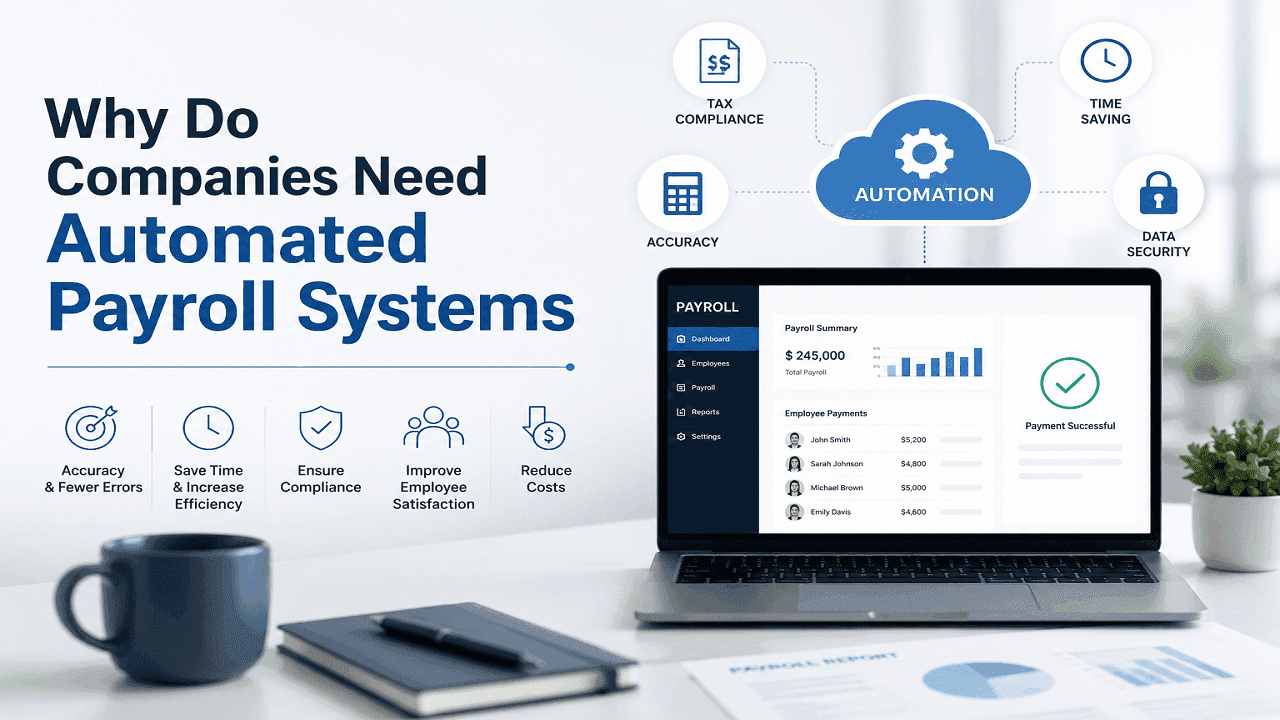
These problems have allowed companies to transition to automated payroll systems. These technologies save manual work, enhance accuracy, and speed up and improve the reliability of payroll processing. In this post, we’ll discuss the necessity of automated payroll systems for companies and how current systems like Jibika Plexus are transforming HR operations.
How Manual Payroll Is Becoming a Business Challenge
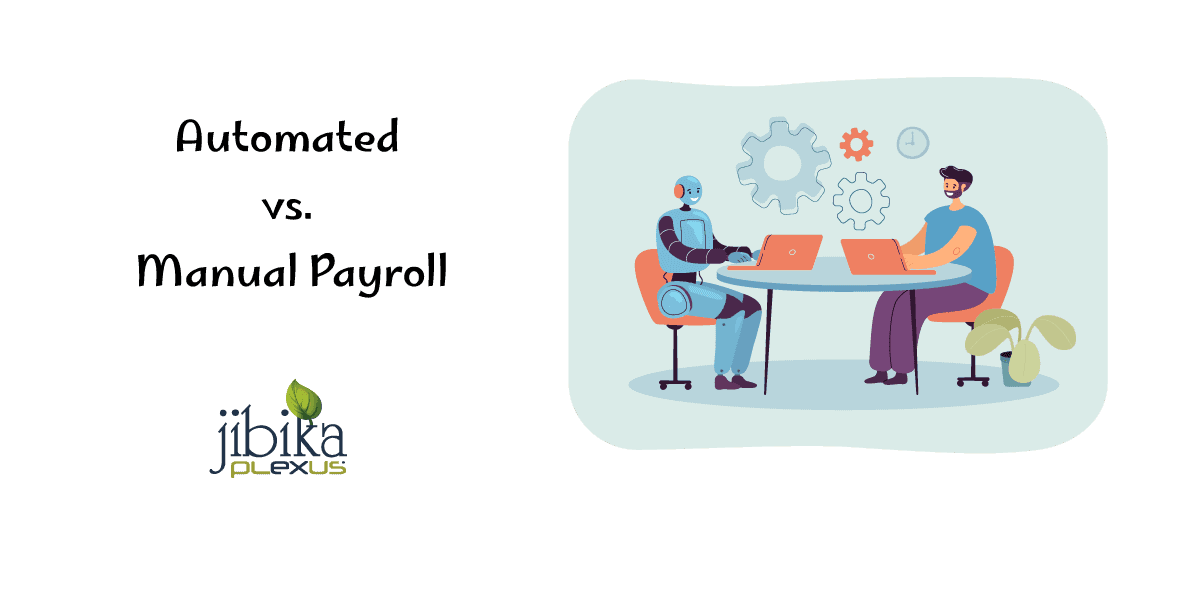
Manual payroll may work for extremely small organizations, but it becomes a real challenge as companies grow. The biggest problem is that everything depends on human input, which creates more opportunities for mistakes and delays.
High Dependency on Human Work
HR teams must collect data from attendance sheets, leave records, and overtime logs, then manually enter it all. A small mistake can affect multiple employees. Without proper HRIS Software in Bangladesh, this process becomes even more complex and error-prone.
Time-Consuming Monthly Process
Payroll preparation takes hours or even days when done manually. HR teams spend too much time on calculations instead of focusing on strategy and employee development. This is one of the main reasons companies move toward HR Software in Bangladesh.
Difficulty Managing Business Growth
Payroll complexity skyrockets as a firm grows. With more personnel comes more data, more departments, and greater salary variation. Manual systems cannot keep up at this scale. Different shifts, overtime rules, and allowances are complex, and the risk of inconsistency increases. Manual payroll is therefore not ideal for growing or medium-sized organizations.
Reducing Errors Through Payroll Automation
Accuracy is one of the biggest benefits of automated payroll systems. These systems operate on predefined rules that minimize human error to a great extent and help maintain consistency in every payroll cycle.
Accurate Salary Calculations
Automated payroll systems calculate wages by applying established rules to real-time data. Basic Salary, Overtime, Bonus, and deductions are automatically processed without manual intervention. It eliminates the common mistakes that can occur with spreadsheets or manual formulas. That means employees are paid correctly every month, which increases overall satisfaction.
Consistent Payroll Processing
Another major advantage is consistency. Once payroll rules are set up in the system, they are consistently applied each month. This ensures that the organization is treated fairly and consistently. It is not subject to individual interpretation or manual intervention, which helps to ensure transparency and trust within the firm.
Fewer Data Entry Mistakes
Manual data entry is a primary contributor to payroll errors. Automated systems solve this problem by eliminating the need to re-enter data. Attendance, leave, and employee records are automatically synced with the system, reducing duplication and omissions. This results in more reliable and stable payroll processing.
How Payroll Automation Saves Time and Improves HR Productivity
Time is one of the most precious resources of any firm. Automated payroll solutions save HR staff significant time by reducing tedious manual tasks.
Faster Payroll Processing
Automation makes payroll processing a lot faster and smoother. What used to take days now takes hours. The system automatically performs computations, changes, and updates, hence shortening the total processing time. This helps HR teams to fulfil deadlines more easily, without the burden of last-minute deadlines.
Better Use of HR Resources
Without the need to manually calculate salary, HR personnel may focus on more strategic duties. This involves employee involvement, training programs, performance management, and workforce planning. Automation helps transition HR from an administrative role to a more strategic business role, bringing long-term value to the organization.
Seamless Attendance Integration
Today’s payroll systems are commonly integrated with attendance and time-tracking software. This means that employee attendance data is automatically fed into payroll computations. No more manual copy and check. The integration further reduces processing time and enhances payroll accuracy.
Ensuring Compliance and Accurate Financial Calculations
Payroll is strongly tied to legal compliance, tax regulations, and company policy. Any error in this domain can result in financial penalties or legal problems for the organization.
Automated Rule Updates
Automated payroll systems are built to comply with current tax laws and labour regulations. The system can be changed to reflect any changes in the rules. This means salary computations are always legally compliant, eliminating the need for manual HR modifications.
Reduced Compliance Risk
As the system follows predetermined rules and calculations, the risk of compliance errors is drastically reduced. This keeps companies out of trouble with penalties, audits, and legal concerns. It also offers management peace of mind that payroll is being handled correctly.
Clear and Organized Financial Records
Automated payroll systems maintain a running tally of each transaction. Salary payments, deductions, bonuses, and tax contributions are stored in an organized way. All data are available in an organized, accessible format, which makes financial reporting and audits considerably easier.
Building Employee Trust Through Timely Payments
Payroll accuracy and timeliness are closely related to employee trust. Delays or errors in wage payments can directly damage morale and productivity.
On-Time Salary Distribution
Automated payroll systems ensure that salary processing is done on time. Since most tasks are automated, the payment cycle experiences fewer delays. This helps preserve continuity and ensures that employees receive their salaries on schedule each month.
Transparent Salary Breakdown
It also allows employees to see how their wages are computed. Automated systems clearly break down basic salary, allowances, deductions, and overtime. This transparency lowers confusion and fosters confidence between the rank and file and management.
Improved Workplace Stability
Consistently receiving precise, timely payments gives employees a sense of financial certainty. This raises morale, minimizes complaints, and strengthens the organization’s overall work environment.
Integration with HR and Attendance System
Payroll is substantially more efficient when integrated with other HR systems.
Automatic Data Synchronization
Employee changes, attendance, and leave logs are synced with payroll systems in real time. This eliminates the need for manual data transfer and reduces errors.
Reduced Manual Workload
HR staff no longer need to update several systems one at a time. This reduces workload and improves data consistency across platforms.
Better Department Coordination
Integrated systems let HR and finance departments work together more efficiently. Shared, accurate data enhances coordination and avoids confusion.
Supporting Business Growth and Scalability
Payroll systems must be able to handle increased complexity as firms expand.
Handles Workforce Expansion Easily
Automated payroll systems can handle an expanding number of employees without degrading performance. The system runs smoothly for companies with 20 or 500 employees.
Flexible System Structure
New departments, branches, or salary structures can be introduced quickly without redesigning the entire system. This flexibility helps corporate growth.
Long-Term Operational Stability
Automation ensures payroll stability even as growth rates are fast. It allows businesses to grow without the hassle of administration.
What Is the Role of Jibika Plexus in Payroll Transformation?
Jibika Plexus plays an important role in modern payroll transformation by bringing payroll, attendance, and HR management into a single system. It serves as modern HR Software in Bangladesh, simplifying HR operations for growing companies.
It reduces manual dependency and improves efficiency by automating key HR tasks. With its integrated system approach, it also supports companies using HRIS Software in Bangladesh by consolidating all employee data into a single platform. This helps businesses reduce errors, save time, and manage payroll more effectively.
Final Verdict
Automated payroll systems are now essential for modern businesses. They improve accuracy, reduce workload, and ensure compliance while building employee trust.
Manual systems cannot keep up with the growing complexity of organizations. That’s why companies are adopting solutions like Payroll Software in Bangladesh and modern HR platforms.
With software like Jibika Plexus, businesses can simplify HR operations today and prepare for a more automated future.